
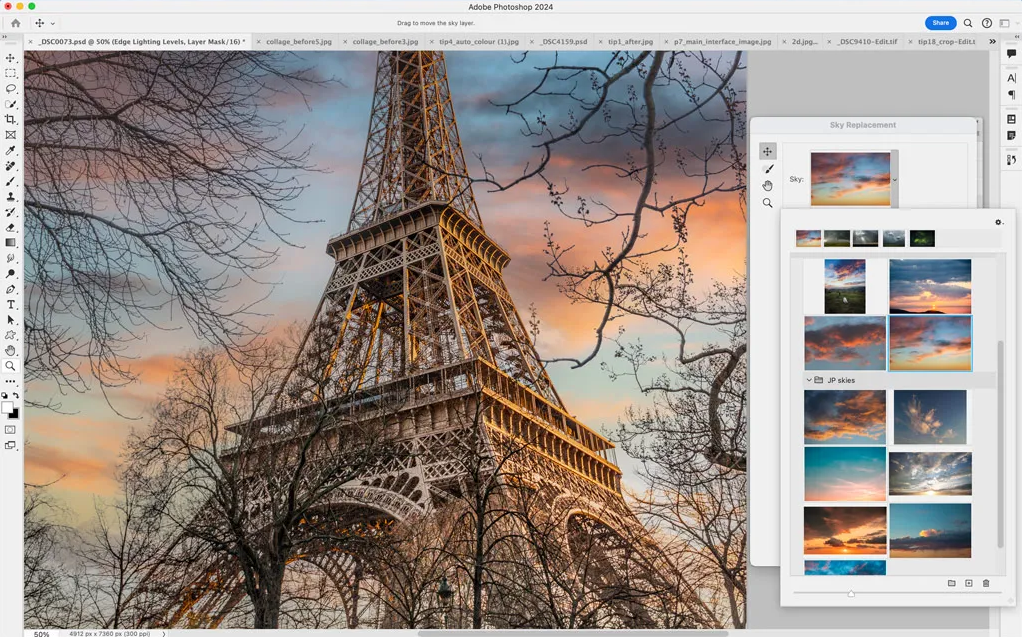
The foundation of any scalable studio workflow is standardization, and AI tools thrive on consistency. Before introducing any ai photo editing software for photographers, establish and document baseline editing styles, color grading presets, and culling criteria for different service lines. This “style guide” allows you to calibrate the intelligent photo editing software to produce uniform results that align with your studio’s brand, regardless of which photographer shot the raw files. Tools that function as an ai photo editor for photographers should have robust profile or “AI style” saving features, enabling you to create and lock in these studio standards.
The core of a high-volume pipeline is the seamless handoff between specialized tools. Architect your photo editing workflow software ecosystem to function like an assembly line. Start with a dedicated ai photo culling tool that can ingest all shoots, apply your studio’s culling rules, and deliver a pre-filtered gallery to the next stage. This curated selection then flows into your primary professional image editing software, where batch photo editing software plugins or built-in AI can apply your standardized color correction and basic exposure adjustments globally across the set.
The most time-intensive stage—retouching—is where targeted ai photo retouching tools can yield massive efficiency gains. Instead of applying heavy AI to every image, use the capabilities of your smart photo editing software to create “smart albums” or automatically flag images that require specific attention. Solutions that act as an ai tool for photo culling and editing can often handle this selective, batch retouching, applying complex edits to hundreds of selected images with a single click while leaving others untouched. This strategic application maximizes the value of automation where it counts most.
For final quality control and delivery, leverage the automation within cloud based photo editing workflow platforms or dedicated export plugins. Set up automated export rules that apply sharpening, watermarking, and resizing based on the client’s delivery package. The ultimate goal of photo workflow software for photographers in a studio context is to minimize manual, repetitive decision-making at every step. By constructing this interconnected system, you transform your studio’s post-production from a bottleneck into a competitive advantage, ensuring fast turnaround times and impeccable, brand-consistent quality.
Ultimately, building this scalable ai photo editing workflow is an ongoing process of refinement and adaptation. It requires initial investment in both technology and training to ensure your team understands and optimally utilizes the new photo workflow automation software. Regularly review the pipeline’s performance, solicit feedback from your editors, and stay informed about new tools that could plug into your system. A well-architected, AI-augmented workflow is not static; it is a dynamic asset that grows with your studio, enabling you to take on more work, maintain higher quality, and improve profit margins through operational excellence.