
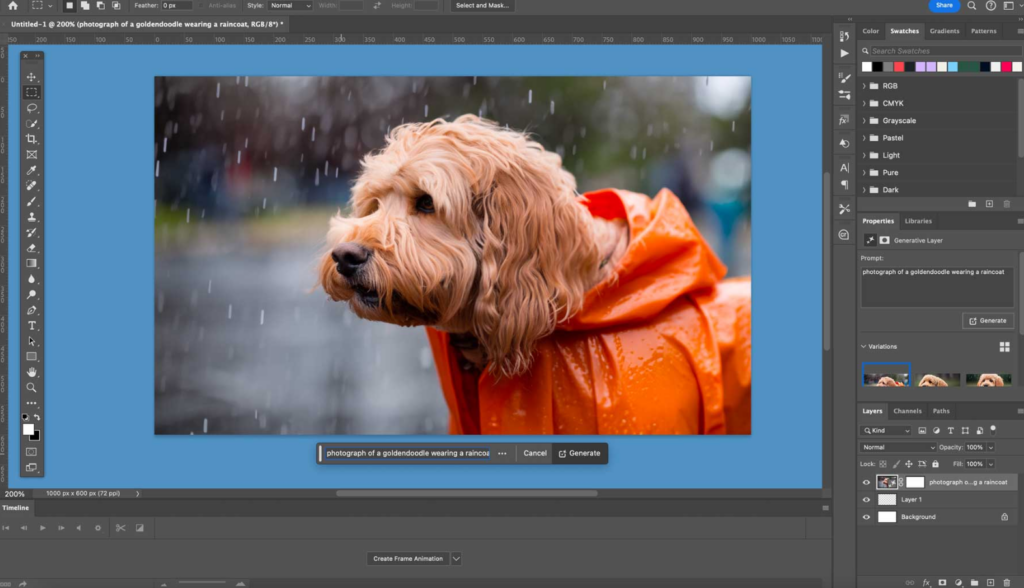
The first and most crucial step is a brutally honest audit of your current photo editing workflow. Identify the specific, recurring tasks that consume disproportionate amounts of your time, whether it’s the initial ai photo culling of thousands of event shots, meticulous skin retouching in portraits, or consistent color grading across a batch of images. This pain point will dictate the primary function you need from a professional ai photo editing suite. A tool excelling as an ai photo culling tool may offer weak batch correction, and a powerful ai batch photo retouching engine might be overkill for someone who needs faster solo edits. Defining this core need prevents you from being swayed by flashy but irrelevant features.
Next, scrutinize the tool’s integration capabilities with your existing ecosystem. The most powerful ai photo editor desktop app is rendered inefficient if it cannot seamlessly exchange data with your primary photo editing workflow software, such as Lightroom Classic or Capture One. Look for plugins, round-trip editing support, or robust export/import functions that fit into your established pipeline. A cloud based photo editing workflow should offer a cohesive experience, not create isolated silos of work. The goal is to enhance your process, not to force a disruptive overhaul that costs you more time in the long run.
The third pillar of your decision must be a deep dive into the developer’s data and privacy policies, especially for any service leveraging cloud processing. When you upload client work to an ai photo editing app, you must understand how that image data is used, stored, secured, and whether it contributes to training the AI model. For professional studio work, opting for a professional photo editing app that offers local, on-device processing or provides explicit, contractually backed guarantees on data anonymity is often a non-negotiable requirement for maintaining client trust and complying with privacy regulations.
Finally, adopt a mindset of strategic investment rather than looking for a quick fix. Consider the long-term cost of ownership, including subscription fees, update policies, and the developer’s roadmap for future ai powered photo workflow enhancements. A slightly more expensive advanced photo editing software with a clear commitment to innovation and user feedback may offer better value than a cheaper, stagnant product. Allocate a budget for testing; the cost of a month’s subscription for a thorough trial is a small price to pay for the confidence that you’re choosing a tool that will become a reliable partner in your business for years to come.
In conclusion, selecting the right professional ai photo editor is an investment in your business’s future efficiency and creative capacity. It requires moving beyond surface-level feature lists to a deeper analysis of integration, ethics, and long-term value. By methodically evaluating your needs, the tool’s fit within your ecosystem, its data policies, and its cost structure, you make an empowered decision. This process ensures the ai photo editing software you choose doesn’t just add another step, but truly transforms and accelerates your entire professional photo editing workflow, allowing you to focus more on the art of photography itself.